Living in Singapore means being surrounded by some of the world’s best food culture. From dawn-to-dusk hawker centers to late-night supper spots, our little red dot practically runs on a 24/7 eating schedule. So when intermittent fasting (IF) entered the wellness conversation, many of us wondered: can this really work in a place where food is literally everywhere?
The truth is, intermittent fasting can absolutely complement an active lifestyle here – but it requires understanding both your body and your environment. Let’s explore how to make IF work with your running routine and Singapore’s unique food landscape.
Understanding the Basics
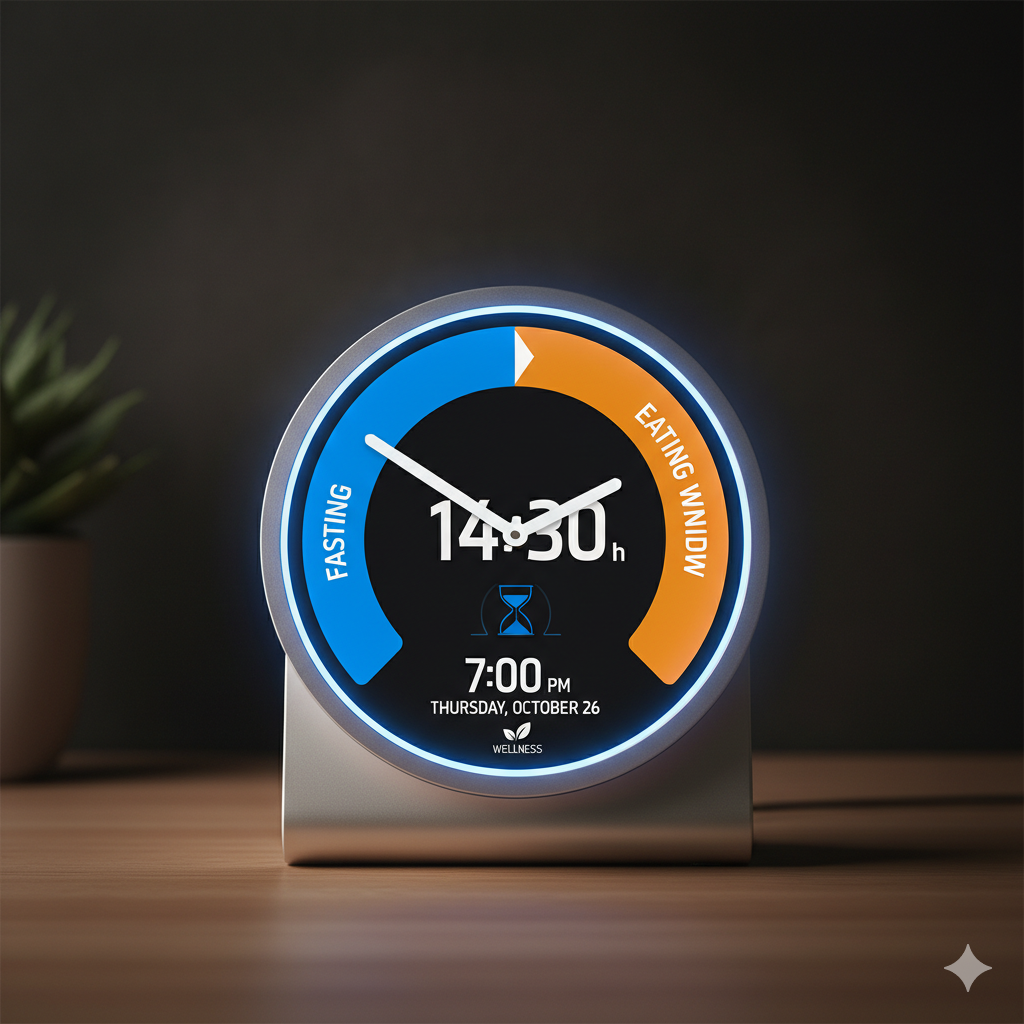
Intermittent fasting isn’t about what you eat, but when you eat. The most common approach is the 16:8 method – eating within an 8-hour window and fasting for 16 hours. For many Singaporeans, this might mean eating between noon and 8 PM, then fasting until the next day.
The appeal is simple: potential weight management benefits, improved energy levels, and the convenience of not having to plan every meal. But when you’re logging kilometers around Marina Bay or hitting the gym before work, timing becomes crucial.
Exercising During Your Fasting Window
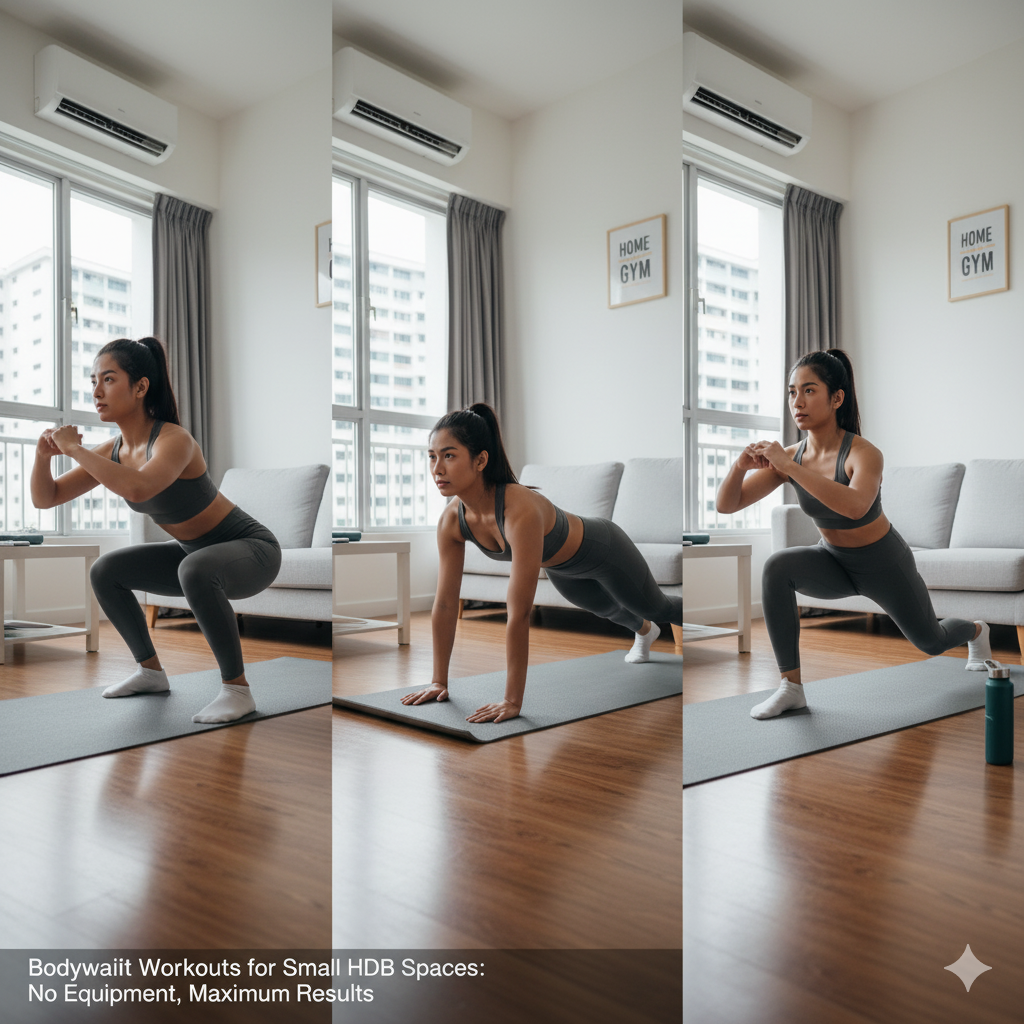
Training while fasted can feel daunting, especially in Singapore’s heat and humidity. Your body will be running on stored energy rather than recently consumed food, which can actually enhance fat burning during lower-intensity activities.
Morning runs during your fasting period can work well, particularly for easy-paced jogs or recovery runs. The cooler morning air makes it more comfortable, and many runners report feeling lighter and more focused. However, listen to your body – if you feel dizzy, weak, or unusually fatigued, it’s time to break your fast.
For higher-intensity workouts like interval training or long runs, you might find better performance by timing these sessions closer to your eating window. There’s no shame in adjusting your schedule to fuel properly for challenging workouts.
Navigating Singapore’s Food Culture
Here’s where it gets interesting. Singapore’s food culture isn’t just about sustenance – it’s social, cultural, and often spontaneous. Your colleagues suggest zi char for lunch, your friends want to check out that new café, or you’re craving late-night prata after a long day.
The key is flexibility without guilt. Intermittent fasting works best as a loose framework rather than rigid rules. If you’re following 16:8 but there’s a special family dinner at 10 PM, adjust your window for that day. If you’re out for an early morning run with friends and they want to grab breakfast after, join them and shift your fasting period.
Consider starting with a more flexible approach like 14:10 or even 12:12, gradually extending your fasting window as you become more comfortable. This gives you more room to work with Singapore’s unpredictable food opportunities while still gaining some benefits.
Pre and Post-Workout Nutrition
When you do eat, make it count. Singapore’s hawker food can actually work well within an IF framework – dishes like fish soup with rice, chicken rice (go easy on the rice), or mixed vegetables with lean protein provide good post-workout nutrition.
If you’re breaking your fast post-workout, aim for a combination of protein and carbohydrates within your eating window. A simple meal might be minced meat noodles with extra vegetables, or even a balanced Economic Rice selection.
For pre-workout fuel during your eating window, lighter options work well in our climate. Think half a banana with some nuts, or a small portion of oatmeal with fruit. The goal is enough energy without feeling heavy in the heat.
Making It Work for You
The most successful approach to IF in Singapore is treating it as one tool among many, not a strict rulebook. Some weeks you might nail your 16:8 schedule, other weeks you might only manage 14:10 because of social commitments or work demands.
Pay attention to how different timing affects your energy levels, sleep quality, and exercise performance. Some people thrive on morning workouts during their fast, while others need fuel before any physical activity. Both approaches are valid.
Consider your schedule too. If you’re someone who loves morning workouts but struggles with evening social eating, perhaps a later eating window (2 PM to 10 PM) works better than the conventional noon to 8 PM approach.
The Social Aspect
Food is inherently social in Singapore, and IF shouldn’t isolate you from that. Be upfront with friends and family about your eating schedule, but don’t make it the center of every conversation. Most people are understanding, and you might even inspire others to consider their own eating patterns.
When you’re in your fasting window but out with friends, order a drink or just enjoy the company. Singapore’s café culture is perfect for this – grab a black coffee or tea and focus on the conversation rather than the food.
Signs to Reassess
While IF can work well for many active individuals, watch for warning signs that suggest you might need to adjust your approach. Consistently poor workout performance, difficulty sleeping, mood changes, or preoccupation with food timing are all signals to step back and reassess.
Remember that being active in Singapore’s climate already places demands on your body. If adding IF creates stress rather than simplicity, it might not be the right fit for your current lifestyle.
Finding Your Rhythm
The beauty of intermittent fasting in Singapore is that it can actually simplify your relationship with our incredible food culture. Instead of constant snacking or eating out of boredom, you become more intentional about meals. You might find yourself genuinely excited about that hawker lunch or weekend brunch because you’ve given your body time to develop real hunger.
Ultimately, the best eating pattern is the one you can maintain long-term while supporting your running goals, social life, and overall well-being. IF might be that pattern for you, or it might be a temporary experiment that teaches you something valuable about your eating habits.
The key is approaching it with curiosity rather than rigidity, allowing Singapore’s vibrant food scene to remain a source of joy rather than stress. After all, what’s the point of living in a food paradise if you can’t actually enjoy it?